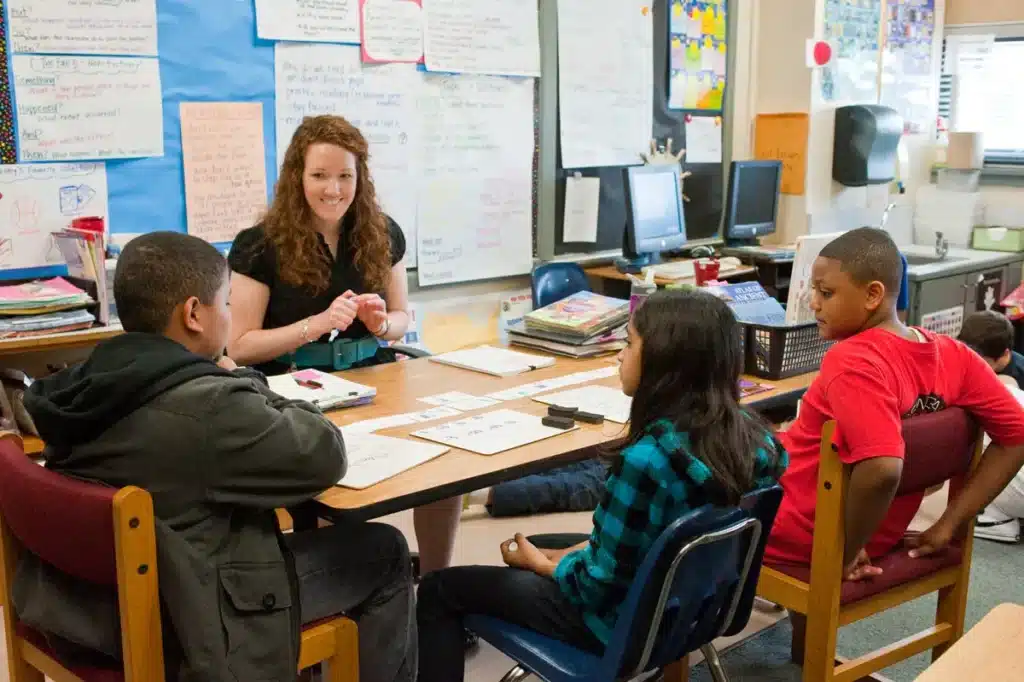
After the first few weeks of school, as students become more familiar with the rhythms and routines of the classroom, they often grow more comfortable in their learning environment. That comfort brings many benefits, yet it can also lead to students paying less attention to routines and procedures, engaging in off-task or silly behavior, and even testing limits and expectations.
This is a natural part of the year, and it is also a perfect time to revisit proactive strategies that help keep learning communities strong. By intentionally using practices such as energizers, interactive learning structures, and reinforcing language, teachers can maintain momentum, support positive behavior, and guide students to continue building the self-control and cooperation they need for success.
3 Ways to Use Energizers to Proactively Support Discipline
Energizers are short, playful activities that allow students to move, connect, and reset their focus. When used intentionally, they can help establish a classroom environment where students feel engaged and supported, which reduces the likelihood of disruptive behavior.
Here are three ways to use energizers to keep learning productive and positive:
- Break up stress during challenging lessons. A well-timed energizer provides a natural pause in the middle of difficult work. This moment of movement and laughter helps students release tension and return to learning with renewed focus. Stress that might otherwise lead to misbehavior is redirected into positive energy.
- Provide predictable opportunities for movement. When students know that their need for movement will be met, they are more able to stay attentive during lessons. Scheduling energizers at consistent points in the day acknowledges this need and creates a rhythm that keeps the class calm and cooperative.
- Build community before group work. Partner energizers remind students that every classmate matters. These activities create a sense of belonging that carries into collaborative tasks, encouraging respectful interactions and reducing off-task behavior.
3 Ways to Use Interactive Learning Structures to Proactively Support Discipline
Interactive learning structures give every student an active role in learning. Rather than relying on a few voices to carry the discussion, these strategies create equitable opportunities for participation and engagement. When students are actively involved, they are more invested in the lesson and less likely to become distracted or disruptive.
Consider these three ways interactive learning structures can proactively support discipline:
- Deepen understanding through conversation. When students explain ideas to a partner or small group before sharing with the whole class, they strengthen their own comprehension. This process reinforces academic learning while keeping students meaningfully engaged, which reduces opportunities for off-task behavior.
- Sustain attention by varying participation. Listening to a teacher or peer for long stretches of time can be challenging. Interactive learning structures break up that dynamic by giving students structured opportunities to discuss, move, and apply what they are learning. These moments of active participation help maintain focus and support smoother transitions between parts of the lesson.
- Strengthen social and behavioral skills. Collaborative structures provide natural practice in self-control, cooperation, and respect for others. Students learn how to listen, take turns, and contribute to group success, all of which contribute to a more orderly and supportive classroom environment.
3 Ways to Use Reinforcing Language to Proactively Support Discipline
Reinforcing language is a powerful tool for shaping student behavior. By naming and encouraging positive actions, teachers can guide students toward meeting both academic and behavioral expectations while strengthening the classroom community.
Try the following reinforcing language strategies to support students in meaningful ways:
- Use proximity to share observations. Moving closer to a student allows you to quietly notice and affirm what they are doing well. This private approach keeps the focus on the student’s progress without interrupting the flow of the class.
- Reinforce actions that align with classroom rules. Naming the behaviors that connect directly to the rules students helped create shows how their choices contribute to the goals of the whole community. This strengthens accountability and ownership.
- Offer nonverbal signals of encouragement. Simple gestures—such as a nod, smile, or thumbs-up—can communicate recognition and support without words. These cues let students know they are on the right track and motivate them to continue.
Using Reinforcing Language With the Whole Class
Directing reinforcing language toward your entire class highlights collective strengths and guides the class toward maintaining shared expectations. This approach not only recognizes positive behaviors but also builds community pride in following routines and working together.
These three approaches show how reinforcing language can guide the whole class toward positive behavior:
- Reinforce progress as it becomes visible. When teachers consistently recognize the steps students take toward improvement, those efforts are more likely to continue. This helps students persist through challenges and see their own growth over time.
- Highlight effort as well as achievement. Acknowledging the work that students put into meeting expectations encourages them to approach difficulties with determination. It also supports the development of a growth mindset, reminding students that progress comes through practice.
- Connect positive actions to classroom rules and goals. Reinforcing behavior in ways that tie back to the class’s shared rules and goals emphasizes why those behaviors matter. Students see that their actions support not only their own success but also the well-being of the entire community.
Learn More
Discipline is strongest when it is built on proactive strategies that prevent problems before they start. To learn more about implementing a proactive approach to discipline, check out:
Resources
Training Workshops