
Closing Circle Energizers & Activities
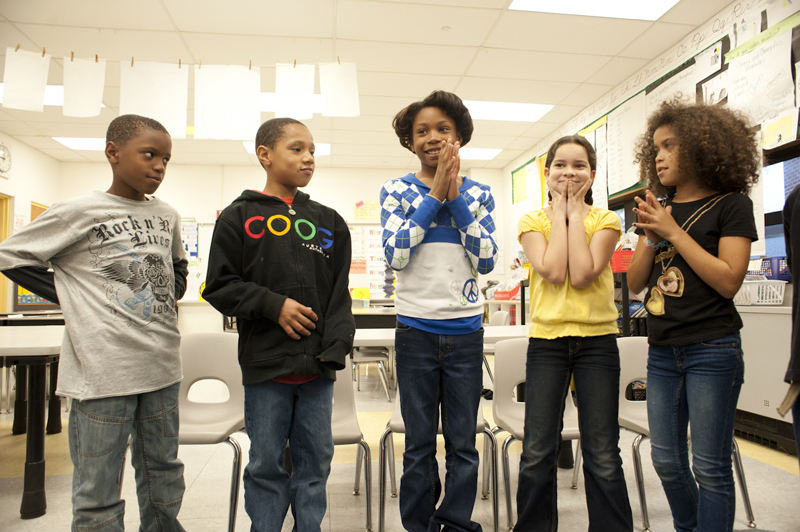
One of my favorite times of the school year is right after the winter holiday break. That first week back reminds me of the first days of school—many students come in wearing new clothing and with a mix of nervousness, happiness, and excitement about being back in school. It is also a time of change: we begin new lessons and the desks have been rearranged (again). Expectations are heightened as we begin the second half of the year.
Plus, your students themselves may have changed, both physically and emotionally, since September. Chip Wood recently wrote about this, reminding teachers to “think carefully about what your students will need from you during the second half of the year.” Chip specifically mentions taking time to do an exercise called the “Birthday Cluster,” which involves making a list of your students according to their birthdates and then looking at where there are clusters of children who are similar in age. This information and Chip’s book, Yardsticks: Children in the Classroom Ages 4–14, can help you organize your classroom so it’s a good match for your students’ developmental needs.
For instance, using information from the Birthday Cluster exercise and from Yardsticks, I planned lessons that helped my fifth grade students feel comfortable in the classroom and with the routines. As their birthday cluster moved from 10 to 11, I kept lessons task-focused and challenging but started building in more opportunities for them to use deductive reasoning and gather evidence to prove their points. I noticed that their confidence increased, as did their success on social and academic tasks.
Sarah Fillion is a Responsive Classroom professional development designer.